


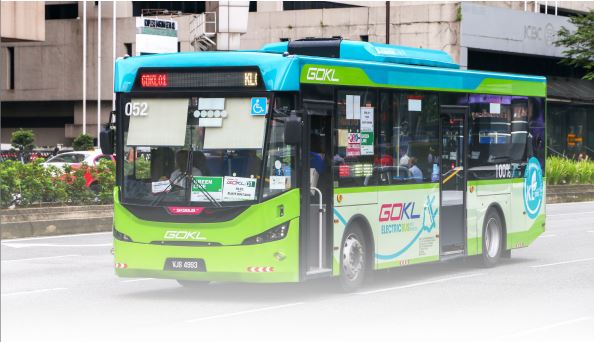
Malaysia is seeing a significant rise in electric vehicle (EV) adoption, fueled by global trends and government incentives. These include tax exemptions for imported EVs (with a minimum value of RM100,000) until 2025, and for locally assembled EVs until 2027, along with tax allowances for green investments in EVs and related infrastructure. The nation’s Low Carbon Mobility Blueprint (LCMB) and National Energy Transition Roadmap (NETR) set ambitious targets: 20% of the Total Industry Volume (TIV) by 2030, with an interim target of installing 10,000 EV chargers by 2025 to alleviate concerns about accessibility and range anxiety.
As Southeast Asia’s third-largest automotive producer, Malaysia aims to become a regional leader in EV production, leveraging its strong automotive and electronics industries. The New Industrial Master Plan 2030 (NIMP2030) envisions Malaysia as a hub for affordable EVs, with Proton and Perodua driving this initiative. To support this growth, the government has implemented robust policies, approaching 3,000 public EV charging stations and developing a domestic supply chain for key components, including advanced batteries. The Malaysia Electric Vehicle Charging Network (MEVnet) offers a dashboard mapping of current and planned EV charging locations, aiding effective infrastructure planning and monitoring.
A significant initiative is the GEF-financed and UNIDO-supported project focused on renewable energy-based smart charging solutions, Vehicle-to-Grid integration, battery swapping, and fostering a circular economy for EV batteries. This project is pivotal in addressing the infrastructural and technological challenges associated with widespread EV adoption.
Malaysia’s approach emphasizes collaboration between government bodies, industry partners, and international organizations. This collective effort ensures that the policies are not only comprehensive but also pragmatic and tailored to the local context. The establishment of National EV Steering Committee and Task Force facilitates such collaborations, enabling stakeholders to co-create solutions for accelerated adoption of zero-emission trucks and other e-mobility innovations. The strategic initiatives are expected to yield broader economic and social benefits, including job creation, and reduced operational costs for vehicle owners.
Malaysia’s proactive policies and innovative projects build a strong foundation for e-mobility, emphasizing infrastructure, industry collaboration, and incentives, setting a model for emerging economies transitioning to sustainable transportation.
