


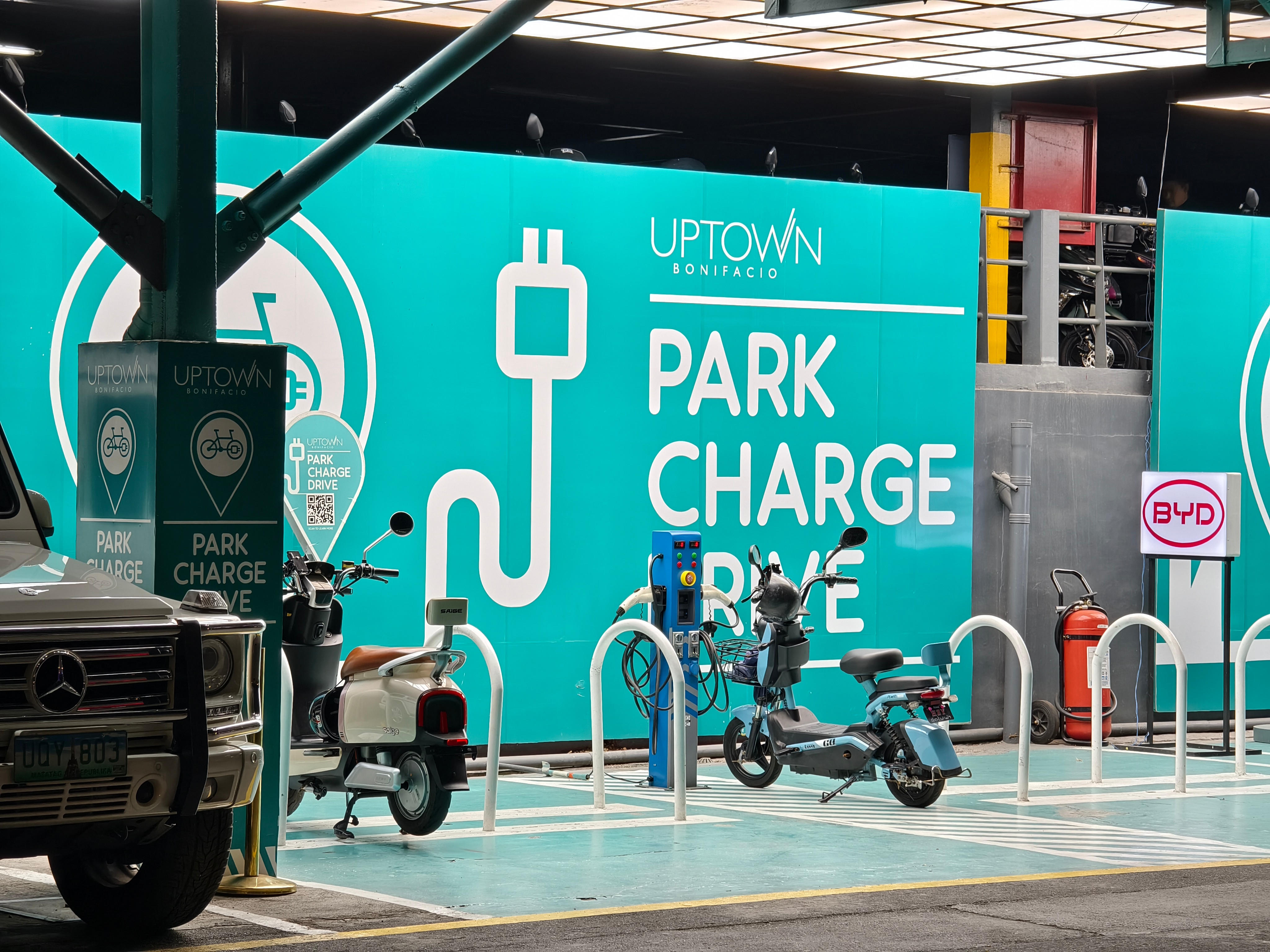
 The Philippines is positioning itself as a key player in South-East Asian Electric Vehicle (EV) manufacturing industry, driven by regulatory framework and growing industry synergies. Central to this transition is the EV Industry Development Act (EVIDA) which lays the groundwork for the development of the EV industry. Under EVIDA, the Electric Vehicle Incentive Strategy (EVIS) is designed to make local EV manufacturing more competitive, narrowing the cost gap between EVs and traditional vehicles to attract investors and drive industry growth.
A key partner in this transformation is the GEF-funded e-Mobility ASAP Project, led by the United Nations Industrial Development Organization, the Department of Trade and Industry, and the Board of Investments. This project provides essential support for policy development, technical regulations, and demonstration activities for electric public utility vehicles (e-PUVs) and light electric vehicles. This collaboration is helping transition the country to electric mobility and reduce greenhouse gas emissions, aligning with the global push for climate action.
International success stories, such as those from Norway, Thailand, and Vietnam, underscore the role of incentives in driving EV adoption and reducing emissions. Norway achieved over 50% market share for EVs in 2020 through generous tax exemptions and subsidies. Similarly, Thailand and Vietnam have accelerated EV growth with targeted government support, showing how well-designed incentives can rapidly transform markets and meet climate targets.
The Philippines is well-positioned to follow suit, with the EVIDA mandating a time-bound, targeted, performance-based, and transparent EVIS, modeled after the Comprehensive Automotive Resurgence Program. By leveraging this framework, the e-Mobility ASAP Project helps align the EV industry with global best practices, identify growth opportunities, and enhance competitiveness in the global market.
With solid foundation in local manufacturing and a proven track record in producing key automotive components, the Philippines is paving the way for the commercial production of electric two-wheelers and commercial vehicles. Furthermore, by capitalizing on its abundant nickel reserves, the country can establish a strategic niche in the EV battery supply chain, with demand expected to soar to 8.53 GWh by 2040.
This strong framework of policies, incentives, and industry strengths highlights the Philippines’ commitment to scaling up EV production in support of climate mitigation and clean air goals. By aligning incentives with local manufacturing capabilities, the country can accelerate EV adoption, drive sustainable growth, and contribute to emission reductions as part of the global transition to green transportation.
