


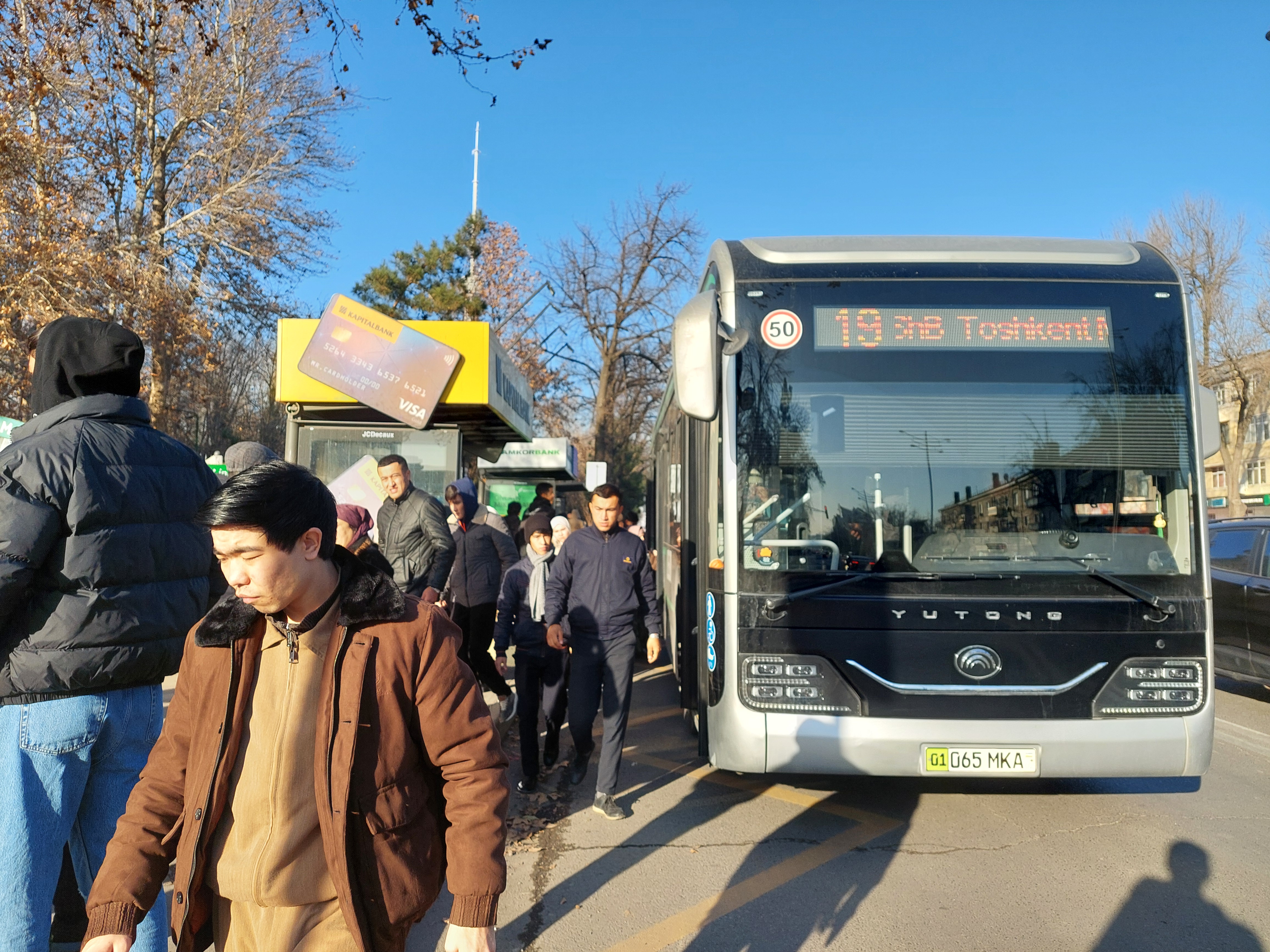
The Asian Transport Outlook (ATO) project – supported by the Asian Development Bank and the Asian Infrastructure Investment Bank - together with the Urban Electric Mobility Initiative (UEMI) and the EU-supported SOLUTIONSplus project, are producing e-mobility profiles that focus on taking stock of the main developments relating to e-mobility transition in Asian economies. This edition of the newsletter presents the profiles for Uzbekistan.
Uzbekistan is embracing a transformative shift towards electric mobility amid its robust economic growth and ambitious green initiatives. With a rapidly growing middle class and urbanization, the country is tackling the challenges posed by traditional transportation, notably air pollution and greenhouse gas emissions.
Despite currently relying on imports for electric vehicles (EVs), Uzbekistan is witnessing a promising surge in e-car adoption. In 2022, over 5,000 electric cars were sold, marking a significant increase from the previous year. Tashkent City, the capital, spearheaded this trend, accounting for a lion’s share of the sales. Uzbekistan’s electrification drive gains momentum through key partnerships: UzAuto Motors and BYD Auto form a joint venture for plug-in hybrid EVs with a 50,000 vehicle annual production target, while ADM Jizzakh teams up with Chery International for local hybrid and electric car manufacturing.
Policy support is instrumental in this transition. Uzbekistan has introduced a slew of incentives, including tax exemptions and interest rate subsidies, to promote domestic EV production and adoption. A presidential decree mandates expanding charging infrastructure, with plans to equip key locations along highways with stations by 2024.
The government’s visionary policies and international collaborations, like ADB’s support, underscore Uzbekistan’s commitment to advancing sustainable mobility.
Read the detailed report here.
