


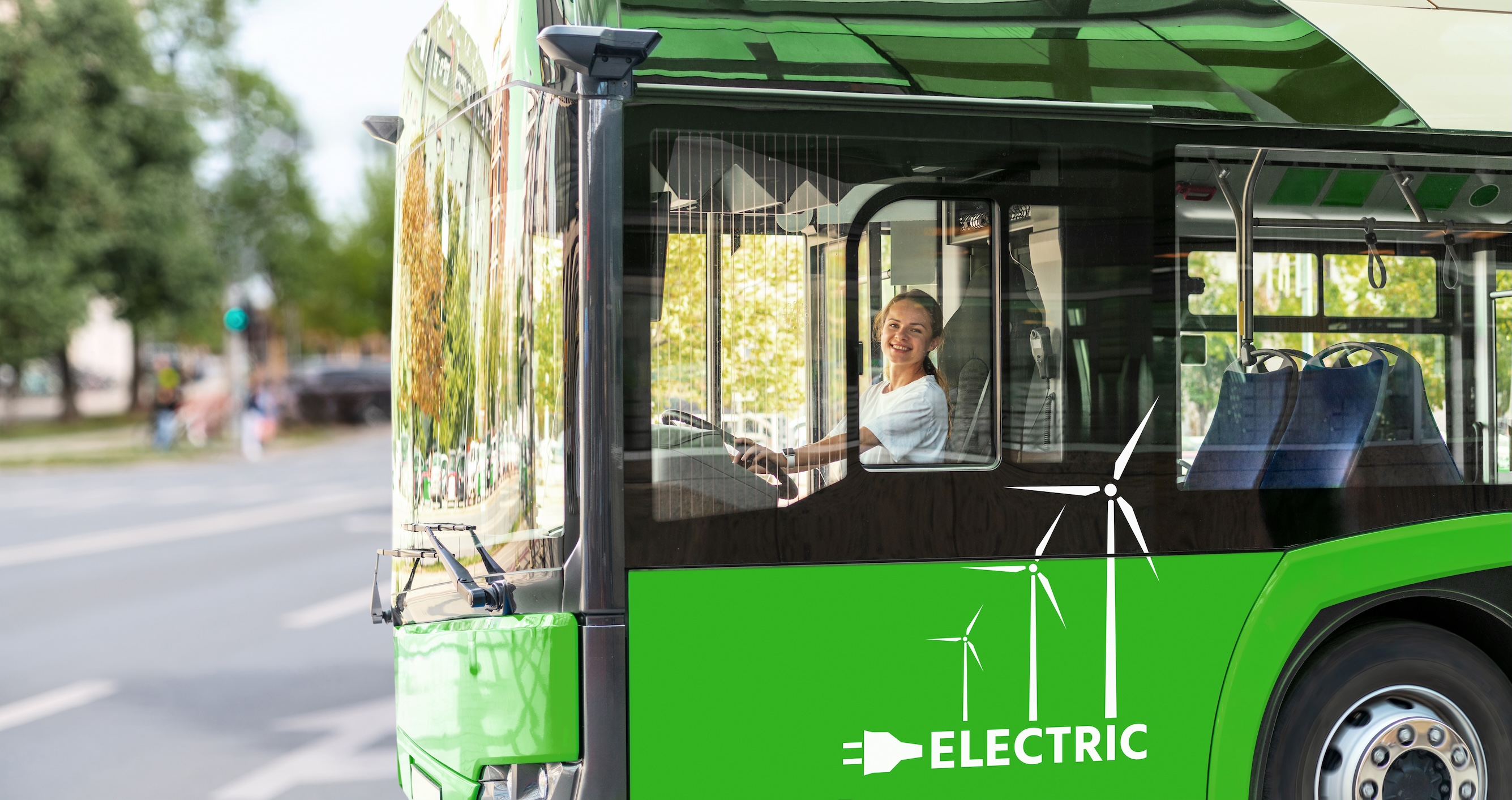
How can public sector policies and regulatory frameworks create the enabling conditions needed to scale up e-mobility across Asia and the Pacific? This question was explored on the first day of the Regional Meeting and Workshop on Unlocking Finance for Scaling Up E-Mobility in Asia and the Pacific, held in Bangkok, Thailand on 1-4 December 2025. The session ‘Innovative Polices and Regulations for Mainstreaming E-Mobility’ highlighted that the transition to electric mobility is not only a question of technological shift, but a governance challenge that requires coordinated, forward-looking public action.
The following four key lessons and best practices were gathered from this session:
Strong government leadership and long-term policy coherence are needed for creating an enabling policy landscape.
The Global Sustainable Transport Innovation and Knowledge Center (GSTIKC) from the People’s Republic of China (PRC) underscored the importance of national strategies and clear regulatory signals to guide market behavior. In Beijing, low emission zones are an example of translating national goals into action through enforcement mechanisms, traffic management, and spatial planning. Government leadership was also exemplified by the Maldives that aims for a carbon neutral transport system. Policies supporting this include zero import taxes for electric vehicles (EVs) and the requirement for 100% electric public transportation fleet by 2030. In Pakistan’s Khyber Pakhtunkhwa province, the country’s first subnational climate governance and policy body, the Climate Action Board, was established to help with e-mobility-related governance. In Gandaki province, Nepal, national-level e-mobility action plans and strategies were taken into practice through e.g. vehicle rules management systems, parking management, and traffic signal improvements.
Cross-sector collaboration will be key for creating a holistic enabling policy environment for e-mobility.
The National Energy Technology Center (ENTEC) from Thailand presented how transport policies are coordinated with the industrial sector. There, EV demand-side incentives, such as purchase subsidies and tax benefits, are linked to domestic automotive assembly and production requirements. Energy sector collaboration plays a central role in maximizing the emissions reduction and air quality benefits of transport electrification. During the session we heard how the Maldives and Vanuatu emphasized the important intersections with renewable energy targets, whereas Pakistan stressed the importance of ensuring grid readiness for managing the charging infrastructure needs. Further, in the Maldives, integrated spatial planning is a strategy for supporting transport measures; land use planning must ensure physical space for public transport.
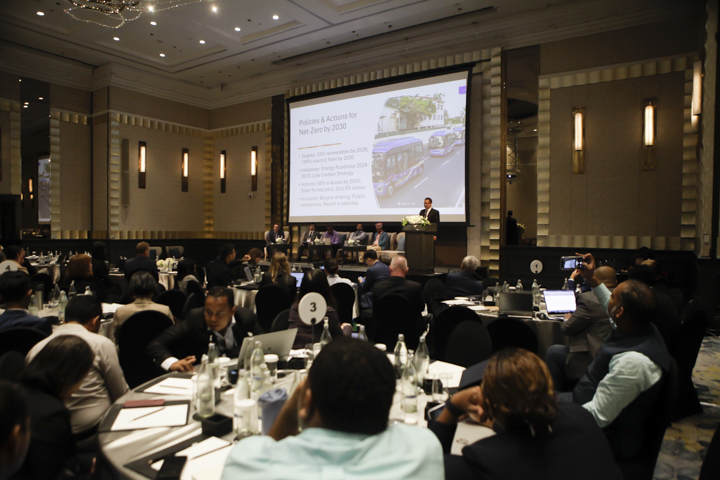
Panelists during the session on "Innovative Polices and Regulations for Mainstreaming E-Mobility", held as part of the Regional Meeting and Workshop on Unlocking Finance for Scaling Up E-Mobility in Asia and the Pacific in Bangkok, Thailand from 1-4 December 2025.
Pilot projects are a great way of trialing policies and EV measures.
Pilot projects for electric motorcycle taxis in Bangkok highlighted both the opportunities and challenges of electrifying informal and paratransit modes. While cost, performance expectations, and charging access remain barriers, the experience showed that data collection from demonstration projects is an essential first step toward scaling e-mobility solutions. Other examples of pilots included Pakistan’s Khyber Pakhtunkhwa province engaging with the private sector for EV ricksaw pilots, incentives for local assembly, and battery-swapping concepts, and Viet Nam supporting a feasibility study for electrifying boats on the Huong river, as part of which charging points, green river ports, and public-private partnership investment models are to be developed. In Vanuatu, the first EVs were introduced into the government fleet in 2024, and based on this pilot, there are now plans for full electrification of government fleets.
For ensuring political durability and public acceptance of the e-mobility transition, governments must ensure just e-mobility transitions.
As countries shift away from internal combustion engines, policies must account for impacts on workers, industries, and communities, to ensure no one is left behind. Workforce reskilling, industrial transformation strategies, and social protection into e-mobility roadmaps were presented by the University of Michigan as essential measures for ensuring a just transition. Maldives provided an example of inclusive e-mobility planning through the incorporation of public awareness campaigns. Pakistan raised the importance of enhancing affordability and access to e-mobility, including targeted support for women and low-income users of electric 2/3-wheelers. Further, they highlighted the need to ensure skills on technical aspects, such as standards, safety and compliance.
While gaps in policy and regulatory frameworks remain across Asia and the Pacific, the experiences shared during the session demonstrate that progress is well underway. From national commitment and strategies to subnational action, cross-sector collaboration, pilot projects, and inclusive transition planning, countries are actively building the foundations for scaling up e-mobility. With the right enabling environment in place, e-mobility can move rapidly from pilots to mainstream solutions delivering low carbon transport across the region.
Download the presentations from this session.
