Session 3: Panel discussion: Facilitating access to financing for e-mobility projects
Session 3: Panel discussion: Facilitating access to financing for e-mobility projects
Date: Tuesday, 2 December 2025
Time: 13:30 - 15:00 (GMT+7)
Venue: Ballroom 2, InterContinental Bangkok by IHG
Session Description
This session will entail a panel discussion among a diverse set of stakeholders, with the objective to identify success factors behind facilitating access to finance for e-mobility uptake globally and regionally. It will cover access to both public and private finance, as well as the roles of different key stakeholders in building an enabling ecosystem for unlocking finance. The panel will identify challenges relating to access to finance for e-mobility projects, as well as examples of good practice and identify potential opportunities. The session will also explore key policy measures and tools that help derisk investment in e-mobility, how projects can be structured in a way that makes them bankable and thus relevant for different financiers, as well as operations and business models that facilitate the viability of investment in e-mobility.
Session Speakers
Chair / Moderator:
 | Ms. Wei-Shiuen Ng, Economic Affairs Officer, Transport Division, United Nations Economic and Social Commission for Asia and the Pacific (ESCAP) Ms. Ng currently leads the development of low carbon and inclusive transport initiatives at the United Nations Economic and Social Commission for Asia and the Pacific (ESCAP). Prior to joining ESCAP, she was Advisor to the Secretary General on Sustainable Transport and Global Outreach in the International Transport Forum at the Organisation for Economic Co-operation and Development (OECD), Adjunct Professor at the Paris Institute of Political Science, Postdoctoral Scholar at Stanford University, and Associate at the World Resources Institute. Ms. Ng is a member of the Scientific Committee of the World Conference on Transport Research Society and co-chairs the Special Interest Group on Transport and Climate Change. She holds a Ph.D. in City and Regional Planning from the University of California, Berkeley, a Masters in Environmental Science from Yale University and a Bachelor of Science in Environmental Economics and Environmental Management from the University of York.
|
Panel 1: Challenges and Opportunities on Access to Financing on Sub-National Level
Panelists:
 | Ms. Aneta Babayan, Director, Yerevan Urban Development Project Implementation Organization (PIU), Armenia Ms. Babayan is the Director of the Yerevan Urban Development Project Implementation Organization (PIU), where she leads the design and execution of the city’s flagship infrastructure and urban development initiatives. Her work focuses on sustainable urban mobility, road infrastructure, energy-efficient and resilient public buildings, modernized transport and metro systems, and digital governance. Under her leadership, the PIU is managing a rapidly expanding portfolio of multilateral investment projects, including the extension of the Yerevan Metropolitan, construction and renovation of schools and hospitals, electric public transport solutions, and large-scale municipal housing programs. Ms. Babayan brings over 22 years of experience in public administration reforms, economic development policy, strategic planning, and digital transformation. Prior to her current role, she served as Adviser to the Deputy Prime Minister of Armenia, where she played a key role in designing and coordinating national public administration reforms, economic policy management, infrastructure investment, and digital transformation agenda. She also coordinated the office of the national Chief Information Officer and co-led Armenia’s digital governance initiatives.In recognition of her contributions to public service, she has been awarded the Prime Minister’s Medal on the 29th Anniversary of Armenian Independence. She is a frequent speaker at international conferences on economic development, strategic planning, sustainable urban infrastructure, digital transformation and public sector reforms.
|
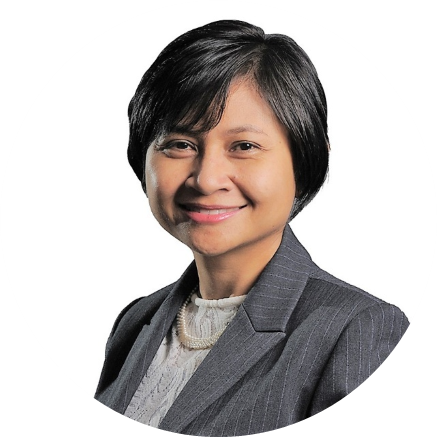 | Ms. Glynda Bathan-Baterina, Deputy Executive Director, Clean Air Asia Ms. Bathan-Baterina is the Deputy Executive Director of Clean Air Asia, a non-government organization dedicated to achieving clean air for all. She is a lawyer with more than 20 years of experience in policy development for clean air, sustainable transport, and climate change mitigation. She supported the drafting of the 1999 Philippine Clean Air Act implementing rules and led the Asia Clean Fuels and Vehicles program which resulted in cleaner fuels and vehicle policies for Vietnam and the Philippines. She has led programs to help countries and cities across Asia develop and implement science-based clean air solutions with climate and other co-benefits. She currently leads the implementation of the Global Environment Facility (GEF7) e-Mobility ASAP program in the Philippines which supports the Philippine Government in scaling up e-mobility through EV industry development. Ms. Bathan-Baterina is a member of the Council for Decarbonising Transport in Asia and of the World Economic Forum Global Future Council for Clean Air. In 2020, she was named one of the Remarkable Women in Transport by the Transformative Urban Mobility Initiative (TUMI).
|
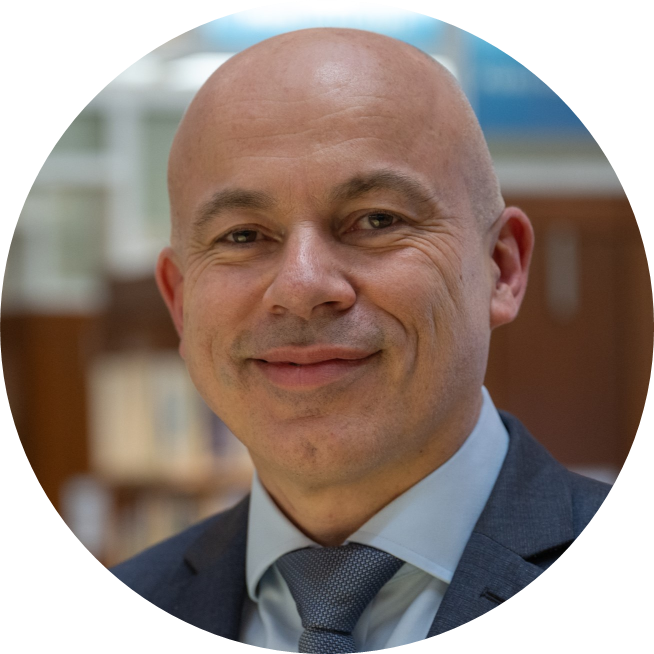 | Mr. Bertrand Goalou, Principal Transport Specialist, Asian Development Bank (ADB) Mr. Goalou leads urban transport and railways initiatives in the Transport Sector Department at the Asian Development Bank, with focus on Emerging Areas and new Transport solutions. With more than 25 years of experience in the sector, Mr. Goalou’s expertise covers all stages of the project cycle. He joined ADB in 2010 and devised sustainable urban transport projects, promoting innovation and transformative approach. Prior to joining ADB, Mr. Goalou held various Project Director positions in a French leading international transportation engineering firm. He worked in Europe, Asia, Middle East and Africa and developed urban mobility plans, bus rapid transit, light rail, metro, non-motorized transport, electric mobilities and railways projects. Mr. Goalou holds a postgraduate degree in urban planning and transport from ParisTech, France (2001) and a master degree in civil engineering and urban planning from the National Institute for Applied Sciences (INSA), France (1998).
|
 | Ms. Weiyu Huang, International Business Manager, Shenzhen Bus Group Co., Ltd., State-owned Public Transportation Operator for Shenzhen City Ms. Huang is an International Project Manager at Shenzhen Bus Group, specializing in public transport transformation, fleet electrification, and smart mobility development. With a background in smart city and sustainable mobility projects, she plays a central role in the Group’s international collaboration and outbound consultancy work. She has led major overseas initiatives, including a bus modernization program in Indonesia and a public transport transformation strategy project in Abu Dhabi, UAE, through which Shenzhen Bus Group provided strategic inputs on green and intelligent bus development. Ms. Huang works closely with global partners—including transport authorities, development agencies, operators, and regional industry platforms—to support knowledge exchange and localized transition strategies in emerging markets. Her work focuses on translating Shenzhen’s extensive experience in bus electrification, depot and charging management, and digital operations into practical, scalable solutions for cities pursuing low-carbon and intelligent mobility pathways.
|
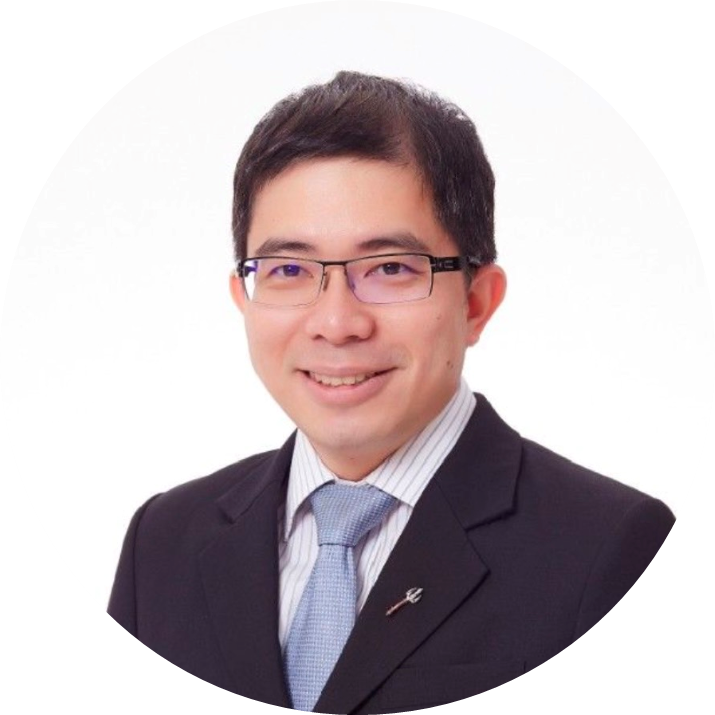 | Mr. Akarin Suwannarat, Chief Technology Officer, Energy Absolute Mr. Suwannarat is Chief Technology Officer at Energy Absolute PCL, a leading Thai renewable energy and e-mobility company. With over 20 years of experience across Europe and Asia, he has served as EPC contractor, owner’s engineer, lenders’ advisor and project owner on more than 10 GW of wind and solar projects worldwide. At Energy Absolute, he leads strategy and development across clean power, battery storage, electric buses and ferries, and the EA Anywhere charging network, helping position Thailand as a regional hub for green mobility. His current focus is integrating technology, regulation and innovative financing to scale bankable e-mobility solutions that work for cities, utilities and investors across Asia. |
Panel 2: Challenges and Opportunities on Access to Financing on National Level
Panelists:
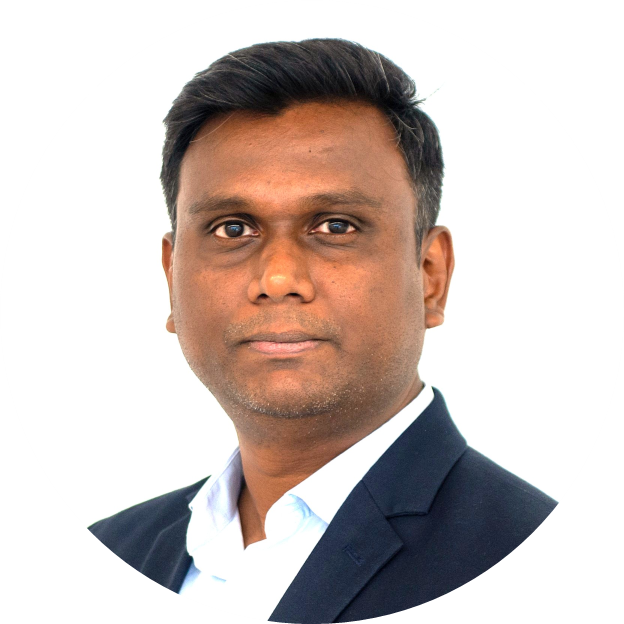 | Mr. Sathish Dhanapal, Global Head of Climate Advisory Specialists, ResponsAbility & Global Climate Partnership Fund Mr. Dhanapal is the Global Head of Climate Advisory Specialists at responsAbility Investments AG, where Sathish has been part of the leadership team for over nine years. With more than 18 years of experience in implementing climate mitigation and adaptation strategies across Asia and Sub-Saharan Africa, Mr. Dhanapal leads a global team specialising in technical and environmental & social risk evaluation for investments in energy efficiency, renewable energy, electric mobility, circular economy, and climate-smart agriculture. Mr. Dhanapal has provided climate advisory services for over 30 investments in renewable energy, electric mobility, energy efficiency, wastewater recycling, and climate-smart agriculture, as well as supported more than 25 financial institutions in developing green lending strategies. He holds a Bachelor’s degree in Energy & Environmental Engineering from Tamil Nadu Agricultural University and completed an Executive Programme in Business Management at IIM Calcutta. |
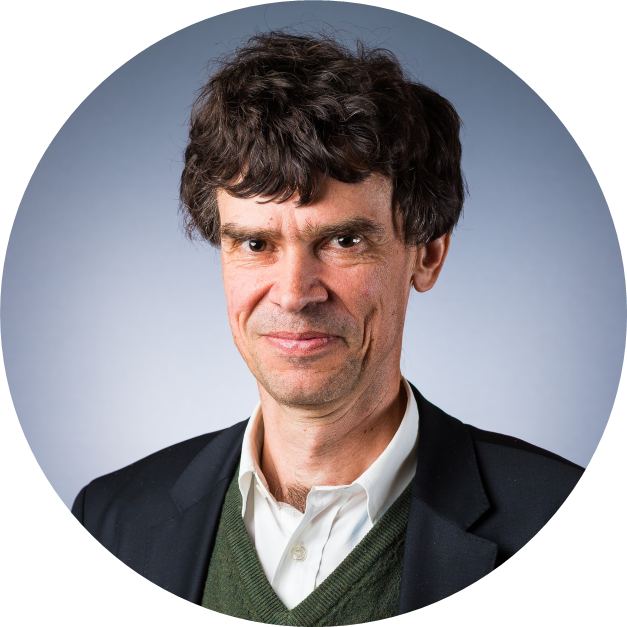 | Mr. Jürg Grütter, CEO, Grutter Consulting Mr. Grütter, CEO of Grutter Consulting and Director of Zeroca, is a Swiss national working since more than 30 years on linking sustainable transport to climate finance. He has structured and implemented more than 100 carbon credit projects in the transport sector since the early nineties and has been working on e-mobility projects since 2008 in more than 40 countries worldwide. Mr. Grütter is also member of the independent Technical Advisory Panel of the Green Climate Fund which assesses all investment proposals of the fund.
|
| Ms. Deanna Morris, Economic Affairs Officer, Macroeconomic Policy and Financing for Development Division, United Nations Economic and Social Commission for Asia and the Pacific (ESCAP) Ms. Morris is an Economic Affairs Officer in the Macroeconomic Policy and Financing for Development Division of the United Nations ESCAP. She is currently leading ESCAP’s capital market and banking sector climate finance agenda. She oversees efforts to assist Asia-Pacific governments in developing innovative financing tools and policies that support the financing of the Sustainable Development Goals (SDGs). Previously, Ms. Morris managed the Innovative Financing workstream of ESCAP’s “Catalyzing Women’s Entrepreneurship” programme, where she established the Women’s Impact Investment Fund. Before joining ESCAP, she served as the Acting Deputy Programme Manager of the Shaping Inclusive Finance Transformations (SHIFT) Programme at the United Nations Capital Development Fund (UNCDF). Ms. Morris’ expertise spans climate finance, MSME finance, digital finance, and market systems programme development. She holds a Master's Degree in Sustainable International Development from Brandeis University’s Heller School for Social Policy and Management and a Bachelor’s Degree in Economics and Management.
|
 | Mr. Nurullo Ruzi, Head of International Cooperation Department, Ministry of Transport, Tajikistan Mr. Ruzi has over 15 years of experience in international relations, foreign policy, and intergovernmental cooperation. Since 2022, he has served as the Head of the International Cooperation Department of the Ministry of Transport of the Republic of Tajikistan, where he oversees the development of international partnerships, coordination of external investment projects, engagement with international organizations, and the promotion of Tajikistan’s national interests in the transport sector. Prior to his current role, Mr. Ruzi worked in the Ministry of Transport from 2019 to 2021 within the Foreign Investment Cooperation Department, focusing on the development of international transport initiatives, mobilization of external financing, and cooperation with international financial institutions. Earlier in his career, Mr. Ruzi headed the International Cooperation Department of the Civil Aviation Agency under the Government of the Republic of Tajikistan, and served in multiple diplomatic roles within the Ministry of Foreign Affairs and at the Embassy of teh Reopublic of Tajikistan in the Republic of Uzbekistan, as well as with international cooperation topics at teh Ministry of Education and Science. He holds a degree in International Relations from Tajik National University. |